
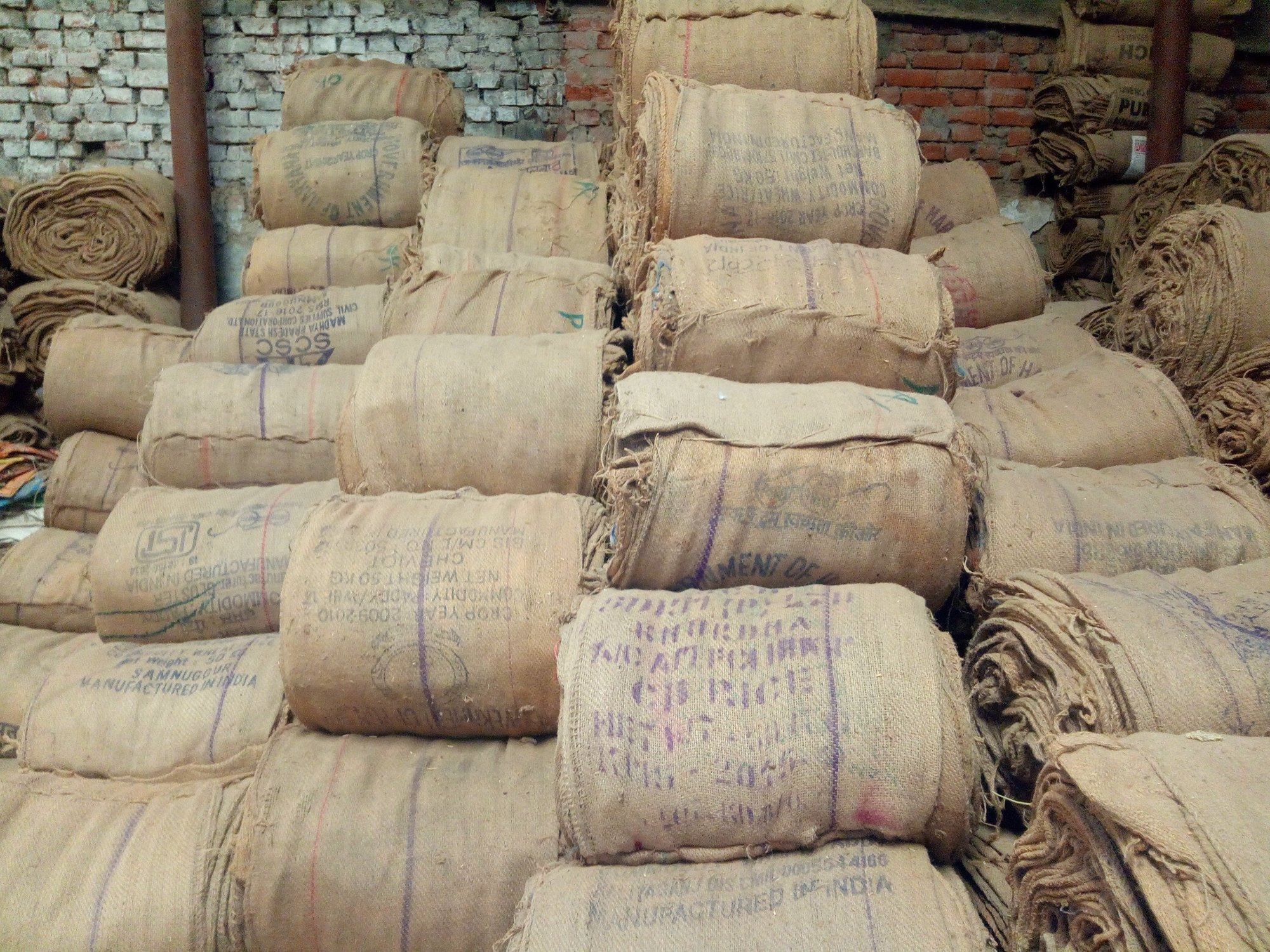
Introduction
Every year, millions of tonnes of wheat, rice, paddy, and sugar are packed and stored across India. And by law, a significant portion of this grain must be packed in jute bags — not plastic, not synthetic — jute.
But why does the Indian government mandate jute packaging? What happens if you use synthetic bags instead? And how does this affect farmers, millers, traders, and warehouse owners?
At Chotelal & Sons, suppliers of bardana bags and jute gunny bags since 1974, we answer these questions clearly and completely.
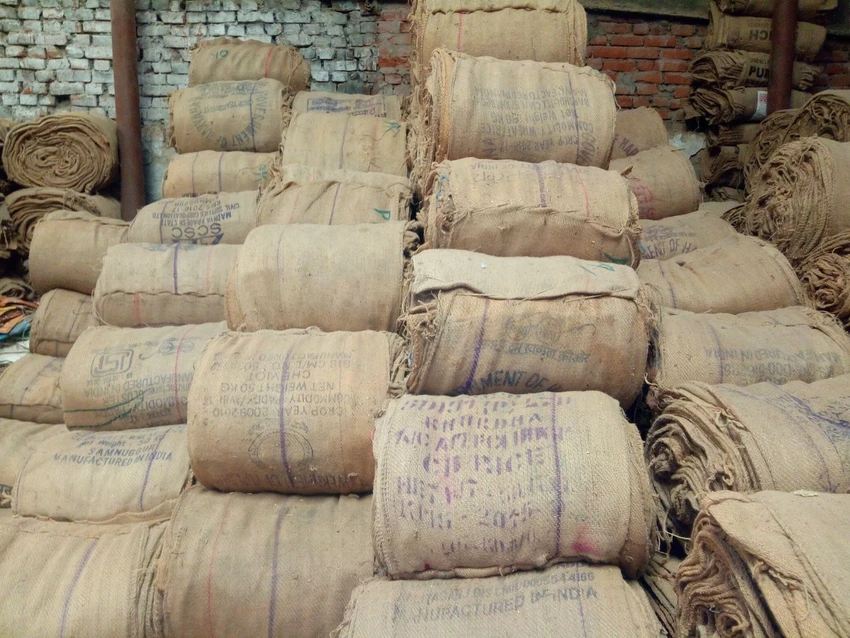
The Jute Packaging Materials Act, 1987
The legal foundation for mandatory jute packaging in India is the Jute Packaging Materials (Compulsory Use in Packing Commodities) Act, 1987 — commonly called the JPM Act.
Under this Act, the Government of India has the authority to make jute packaging compulsory for specific commodities. Every year, the government issues a notification specifying exactly what percentage of which commodities must be packed in jute.
Current Mandate (as of recent notifications):
- 100% of food grain (wheat, rice, paddy) procured by government agencies must be packed in jute bags
- 20% of sugar production must be packed in jute bags
- State governments may issue additional requirements for procurement within their states
5 Reasons Why India Mandates Jute Packaging
Reason 1: Protecting the Jute Industry and Farmers
India is the world’s largest producer of raw jute. The jute industry supports over 4 million jute farmers — primarily in West Bengal, Assam, Bihar, and Odisha — and employs approximately 2.6 lakh workers in jute mills.
Without a guaranteed market through mandatory packaging, the entire jute farming ecosystem would collapse. The JPM Act ensures a stable, predictable demand for Indian jute, protecting the livelihoods of millions of rural families.
Reason 2: Grain Safety and Breathability
Natural jute gunny bags are breathable. The open weave structure allows moisture and heat to escape from stored grain, preventing:
- Fungal growth and mould
- Insect infestation
- Aflatoxin contamination
- Premature spoilage
Synthetic bags trap moisture inside, creating conditions where grain deteriorates faster. For a country that stores tens of millions of tonnes of grain in FCI depots and state warehouses, breathable jute packaging means significantly lower post-harvest losses.
Reason 3: Environmental Responsibility
India generates enormous quantities of packaging waste. Jute bags are 100% biodegradable and decompose naturally within a few months. Plastic and synthetic bags persist in the environment for over 500 years, contaminating soil and water.
By mandating jute packaging for food grains, the government reduces plastic waste at one of the country’s highest-volume packaging points — the agricultural supply chain.
Reason 4: Food Safety Compliance
Jute is a natural, food-safe material. It does not leach chemicals into stored grain, does not react with food products, and does not affect the taste, smell, or nutritional quality of grain stored inside.
Polypropylene and HDPE bags, if manufactured with substandard additives, can potentially leach chemicals into grain over time — raising food safety concerns for a country that feeds 1.4 billion people.
Reason 5: Supporting Make in India and Rural Economy
The jute industry is deeply embedded in India’s rural economy. Supporting jute packaging keeps money within India’s agricultural sector, generates rural employment, and reduces dependence on petroleum-based synthetic packaging materials that are largely imported.
What This Means for Farmers, Traders and Warehouse Owners
If you sell grain to FCI, NAFED, state procurement agencies, or any government body, you must pack your grain in jute gunny bags. Using synthetic bags will result in:
- Rejection of your grain at procurement centres
- Delayed payment or no payment
- Potential penalties under the JPM Act
For private traders and warehouse owners, while the mandate applies primarily to government procurement, using jute bags is strongly recommended for all grain storage due to the clear quality and safety advantages.
Where to Buy Government-Compliant Jute Bags
Chotelal & Sons supplies new and old bardana bags that meet standard requirements for grain storage and government procurement across North India. We serve farmers, cooperatives, rice mills, flour mills, and large warehouses from our base in Ambala City, Haryana.
📞 Call/WhatsApp for bulk orders 🌐 jutegunnybags.com 📍 Ambala City, Haryana