

Introduction
Running a warehouse means making hundreds of decisions every season. One decision that directly affects your grain quality, storage efficiency, and bottom line is this:
Which jute bag size should I use for my warehouse?
Choose too small and your bags burst under pressure. Choose too large and handling becomes difficult and labour costs rise. At Chotelal & Sons, we have been supplying bardana jute bags and jute gunny bags since 1974 to warehouses, grain mandis, rice mills, and flour mills across Haryana, Punjab, and all of North India.
In this complete guide, we explain exactly how to choose the right jute bag size for your specific storage needs.
Why Jute Bag Size Matters for Warehouses
Most warehouse owners focus only on price when buying bardana bags. But the size and weight capacity of your jute sack directly affects:
- How much grain fits in each bag
- How easy it is for labour to carry and stack
- How many bags you can stack safely per row
- Whether bags hold their shape during long storage
- Your total packaging cost per tonne of grain
Getting the size wrong costs you more in the long run — through torn bags, spillage, labour inefficiency, and damaged grain.
Standard Jute Bag Sizes Available in India
Here are the most common bardana and jute gunny bag sizes used across Indian warehouses and mandis:
1. 50 kg Jute Gunny Bag
Dimensions: Approximately 90 cm × 55 cm Best for: Wheat, rice, paddy, pulses, sugar, flour Used by: Small farmers, kirana stores, retail grain dealers, government procurement
The 50 kg jute bag is the most popular size in India. It is easy to handle by a single worker, fits perfectly on standard warehouse pallets, and is accepted at all FCI and government procurement centres. This is the size mandated most commonly under the Jute Packaging Materials Act.
✅ Recommended for: General purpose grain storage, government sales, small to medium warehouses
2. 100 kg Jute Gunny Bag
Dimensions: Approximately 110 cm × 70 cm Best for: Wheat, maize, paddy in bulk Used by: Large flour mills, rice mills, wholesale traders, FCI depots
The 100 kg jute sack is used when maximum storage density is needed. Fewer bags means less stitching work and faster loading. However, these bags require two workers to handle and need strong floor support for stacking.
✅ Recommended for: Large-scale warehouse operations, bulk grain traders, mill owners
3. 60 kg Jute Bag
Dimensions: Approximately 95 cm × 58 cm Best for: Sugar, salt, coarse grains Used by: Sugar mills, salt manufacturers, agri cooperatives
The 60 kg size is common in sugar mills across Uttar Pradesh and Haryana. It offers a balance between capacity and handleability.
✅ Recommended for: Sugar mills, cooperatives, medium-scale storage
4. 40 kg Jute Bag
Dimensions: Approximately 82 cm × 50 cm
Best for: Fine grains, pulses, organic products
Used by: Organic farmers, specialty food exporters, premium packaging
The 40 kg bag is gaining popularity among organic and specialty food producers who need lighter, premium packaging.
✅ Recommended for: Specialty grains, organic produce, export packaging
5. Custom Size Jute Bags
Many large warehouse operators and mills require custom-sized bardana bags for specific machinery or storage rack dimensions. At Chotelal & Sons, we can guide you to the right supplier for custom jute sack sizes based on your exact requirements.
How to Choose the Right Size — 5 Key Questions
Ask yourself these five questions before placing your bardana bag order:
Question 1: What grain are you storing? Heavy grains like wheat and maize work best in 50 kg or 100 kg bags. Lighter grains like pulses or specialty seeds do better in 40 kg bags.
Question 2: What is your labour capacity? If your workers are handling bags manually, stick to 50 kg. For mechanised loading with forklifts or conveyors, 100 kg bags are more efficient.
Question 3: Are you selling to government agencies? FCI and state procurement agencies specify 50 kg new jute bags. Using any other size may result in rejection at the procurement centre.
Question 4: How long is your storage period? For long-term storage of 6 months or more, use new jute gunny bags in the appropriate size. For short-term storage up to 3 months, old bardana bags work well and save cost.
Question 5: What is your stacking height? Taller stacks need stronger, well-stitched bags. For stacking more than 8 rows high, always use new jute sacks with reinforced stitching.
New vs Old Bardana — Does Size Differ?
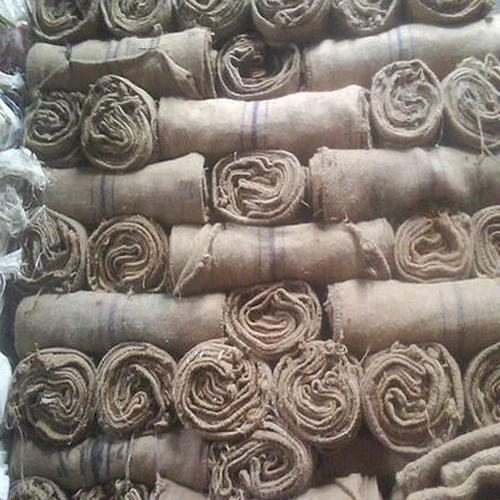
Yes, slightly. New jute gunny bags are manufactured to precise standard dimensions. Old/used bardana bags may have slight size variations due to previous use and stretching. For tight rack systems or mechanised warehouses, new bags are recommended. For open floor storage and traditional warehouses, old bardana bags work perfectly.
At Chotelal & Sons, Ambala City, we supply both new and old bardana in all standard sizes. We sort our used bardana carefully for size consistency before dispatch.
Conclusion
Choosing the right jute bag size is not complicated once you know your grain type, labour setup, and storage duration. For most Indian warehouses, the 50 kg jute gunny bag is the perfect starting point. For large-scale operations, the 100 kg jute sack offers greater efficiency.
Need help choosing the right bardana bag size for your warehouse? Contact Chotelal & Sons — Ambala City’s most trusted bardana supplier since 1974.
📞 WhatsApp/Call for bulk pricing 🌐 jutegunnybags.com